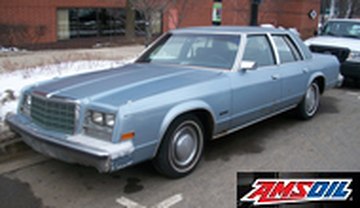
Maintaining Lubrication Standards for the 1981 Chrysler NEWPORT 5.2L
Proper engine maintenance is a cornerstone of long-term vehicle health, particularly for an engine like the 5.2L found in the 1981 Chrysler NEWPORT. While many modern automotive concerns focus on complex electronics, the fundamental mechanical integrity of this era of vehicle relies heavily on consistent lubrication and proactive inspection of aging components.Monitoring Fluid Integrity and Potential Leaks
One of the most effective ways to monitor the health of a 5.2L engine is through regular visual inspections for fluid seepage. Over time, various gaskets and seals may experience changes in their ability to maintain a tight barrier. When performing routine checks, it is useful to look for any signs of wetness or residue around sealing surfaces. If you notice dark staining or fresh fluid accumulation in the engine bay, this warrants closer investigation. It is important to remember that a single symptom, such as a small puddle under the vehicle, can be associated with several different components. Rather than attempting to diagnose a specific failed part immediately, focus on identifying where the fluid is originating. Consistent monitoring allows you to address minor seepage before it evolves into a more significant issue. In addition to looking for external leaks, observing the appearance of the oil itself can provide useful information. If the lubricant appears excessively dark, gritty, or shows signs of unusual contamination, it may indicate that the service interval has been exceeded or that other engine systems require attention.Prioritizing Maintenance Based on Current Condition
For owners of a 1981 Chrysler NEWPORT, maintenance decisions are often most effective when based on the actual current condition of the vehicle rather than strictly on its age. While time can affect materials like rubber hoses and belts, every vehicle's history is unique. Some engines may have been kept in climate-controlled environments, while others have faced more demanding operating conditions. To establish a reliable maintenance baseline, start by reviewing any available service records. Knowing when the oil was last changed, when filters were replaced, or when cooling system components were inspected provides a foundation for future work. If no documentation exists, your first priority should be to perform a comprehensive inspection of all accessible fluids and wear items to determine the vehicle's current state. When managing maintenance tasks, address active concerns first. This means prioritizing any identified leaks, unusual noises, or signs of fluid consumption over purely preventive measures. By addressing immediate needs while simultaneously documenting new observations, you can create a structured approach to long-term ownership that avoids unnecessary parts replacement while ensuring critical systems remain functional.Observing Potential Warning Signs
While many mechanical issues develop gradually, certain indicators suggest that an engine requires more immediate attention. It is helpful to be aware of several signs that may warrant professional inspection:- Changes in Lubricant Consumption: If you find yourself needing to add oil more frequently than in the past, this change in consumption should be investigated.
- Unusual Mechanical Noises: Any new or persistent sounds coming from the engine area during operation can be an early indicator of mechanical changes.
- Visible Fluid Accumulation: As mentioned previously, any evidence of active dripping or heavy seepage is a primary concern.
- Changes in Engine Performance: While performance can be influenced by many factors, sudden shifts in how the engine responds to throttle input should not be ignored.
Inspecting Aging Components and Connections
As vehicles age, certain peripheral components require more frequent scrutiny. If equipped, inspect accessible drive belts for signs of deterioration such as cracking, glazing, or fraying. Similarly, if the vehicle is equipped with various hoses, check them for excessive softness, brittleness, or visible swelling. Electrical integrity is another important factor in long-term maintenance. Inspect electrical connections and wiring for signs of corrosion, fraying, or loose terminals. Ensuring that sensors and connectors remain clean and securely seated helps prevent intermittent issues that can be difficult to diagnose. If applicable, checking the condition of the air filtration system is also a practical step. A clean air intake path ensures the engine can breathe efficiently, which supports overall operational stability. By combining these visual checks with regular fluid monitoring, you can maintain a much clearer picture of the vehicle's mechanical status.Effective Record Keeping for Long-Term Ownership
Maintaining a detailed log of all service performed on your 1981 Chrysler NEWPORT is one of the most valuable tools an owner can possess. A well-kept record serves several purposes: it helps you track upcoming maintenance needs, provides a history that can assist in troubleshooting new issues, and documents the care taken with the vehicle. A useful log should include more than just the date and mileage of an oil change. It is beneficial to note:- The specific products used (oil brands, filter part numbers).
- Any observations made during inspections (e.g., "noted slight seepage near the front seal").
- Specific repairs or component replacements performed.
- Any changes in fluid levels or consumption patterns observed over time.
Practical Guidance for Buying Engine Oil for the 1981 Chrysler NEWPORT 5.2L
When it is time to replenish your engine's lubrication, the most important step is to ensure the product matches the specific requirements of your application. Because different engines have unique needs regarding additive packages and base oils, you should always match the engine oil to the application-specific viscosity information already displayed on this page. Before making a purchase, carefully check the product labeling to verify that the oil meets the necessary standards for your vehicle. You may encounter various formulations, including:- Conventional Oils: Standard mineral-based lubricants.
- Synthetic Blends: A combination of conventional and synthetic oils.
- Full Synthetic Oils: Highly refined oils engineered for specific performance characteristics.
- High-Mileage Formulations: Some formulations contain additives intended for use in aging engines, including seal-conditioning additives.